If recent projects are any indication, energy is a hot topic. From advances in sustainable production, to energy independence, to efficiency and control, the issues are boiling over and innovation is gathering steam. Above: Four solar energy technologies illustrated: photovoltaic panels, solar water heating, solar power tower and passive solar heating. Right: Cutaway illustration of a new horizontal drilling technique that increases yield and reduces equipment costs and surface disturbance.
Left: If the US’ annual energy consumption was converted to coal, it would fill a 1,000 mile-long train consisting of 100,000 cars. If that coal were to be dumped on Manhattan, a 23 square mile island, the pile would be 160 feet deep. If the entire world’s energy consumption were converted to coal, the pile would be 618 feet — it would reach the 60th floor of the Empire State Building. Wind power would account for 14 inches of the pile. Solar power, a mere 10 sheets of paper thick.
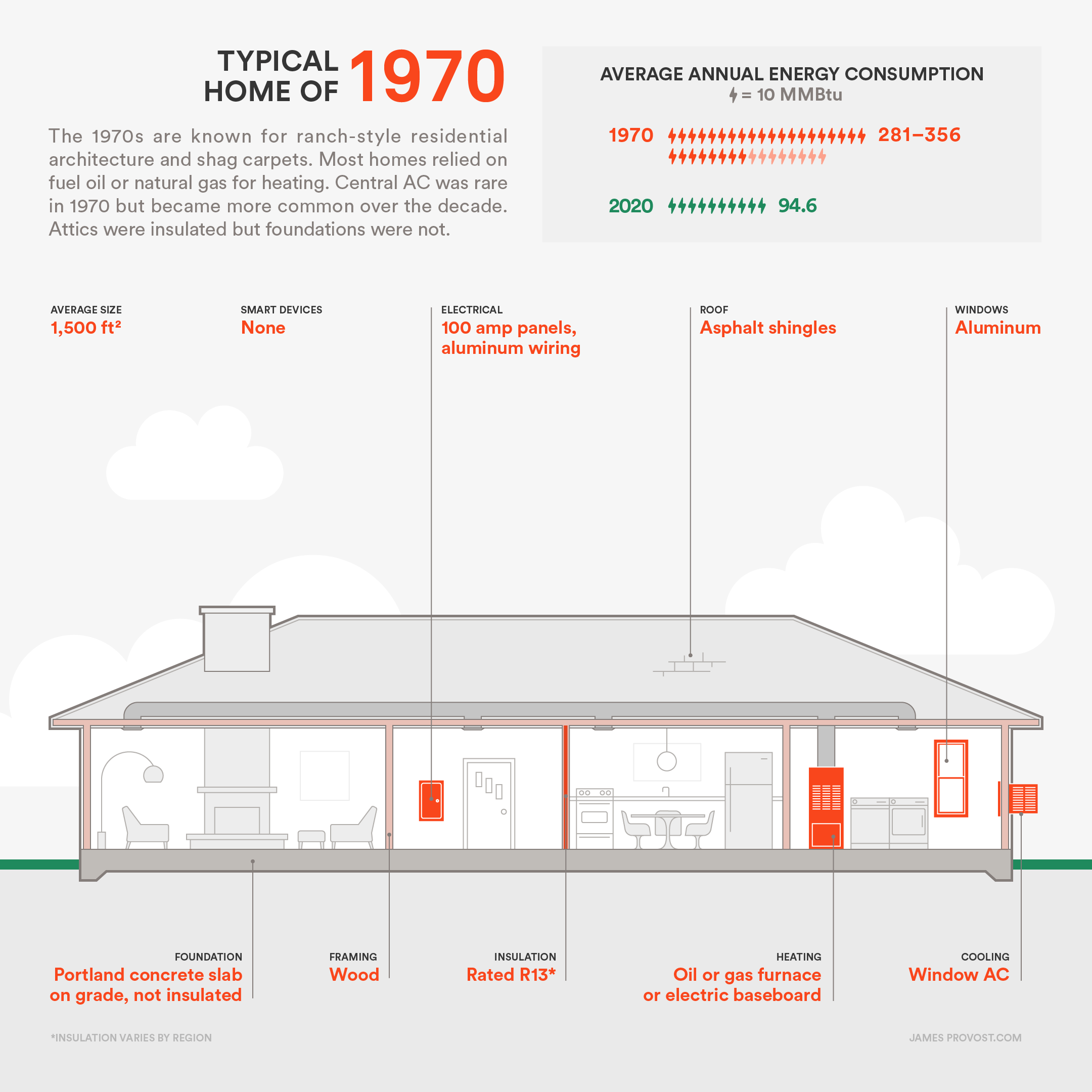
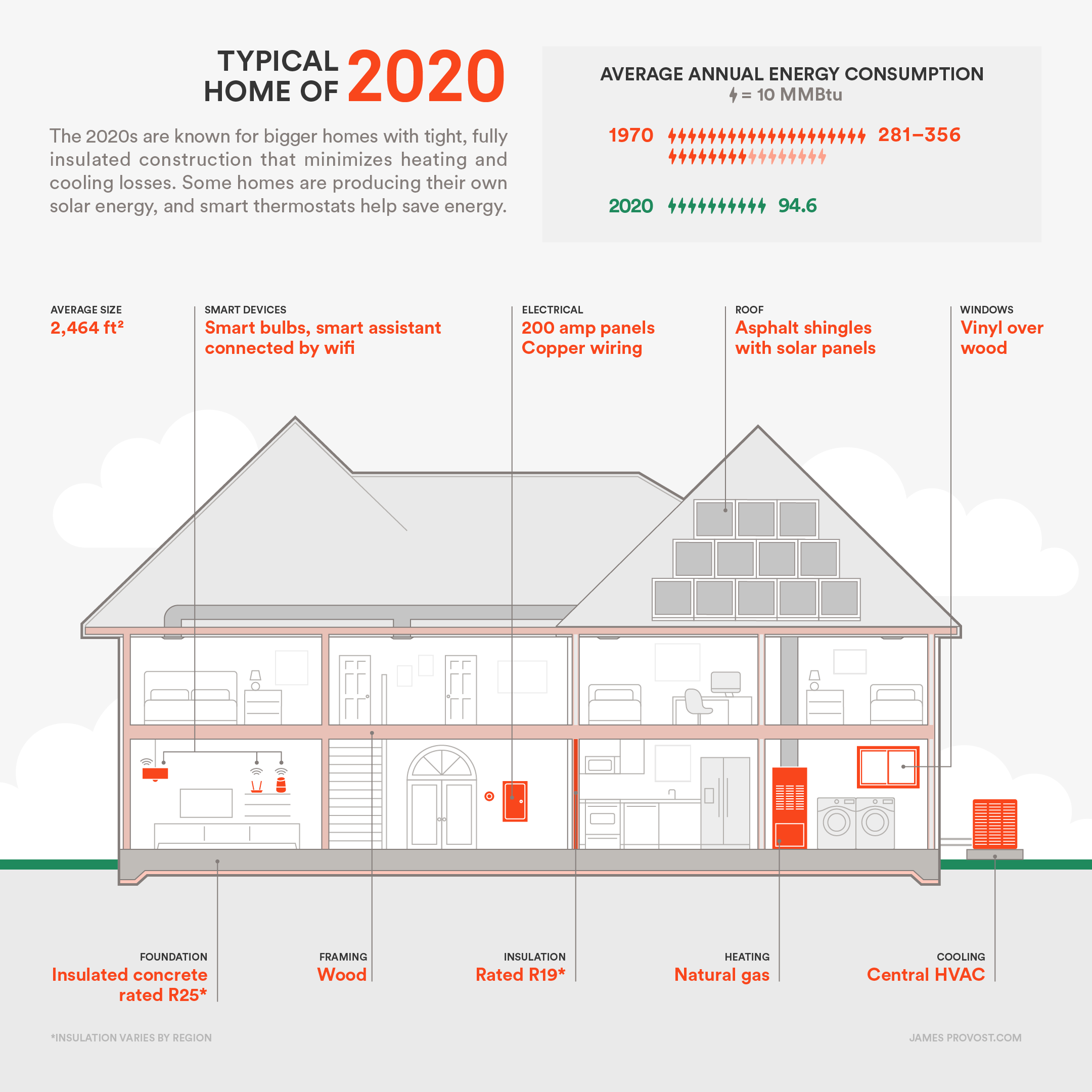
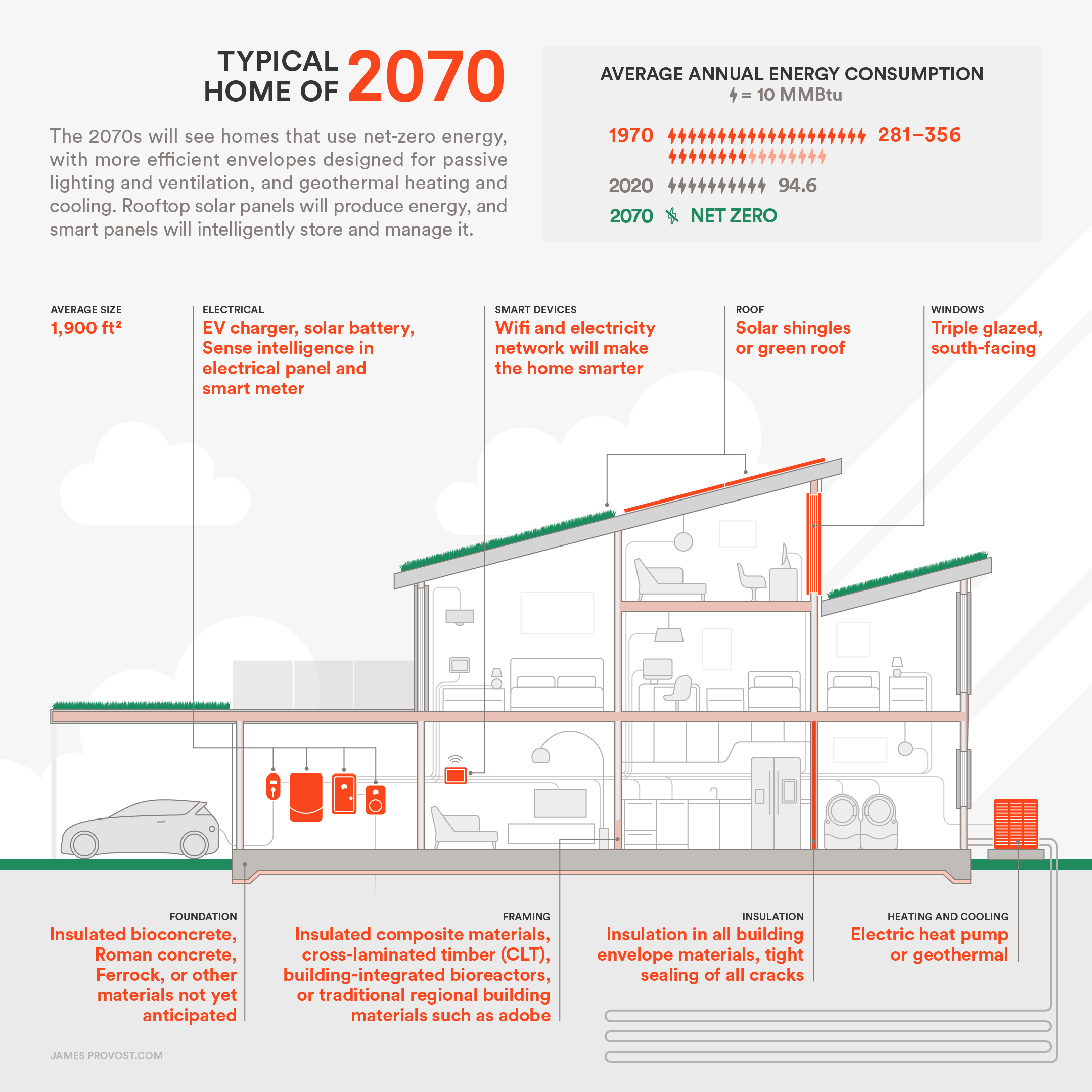
Below: Smart homes will manage energy usage, take advantage of off-peak energy, control appliances, produce energy and sell it back to the grid, and brief homeowners about their energy consumption, and encourage efficient living.
Top illustration for University of Minnesota’s Momentum Magazine. Bottom three for Missouri S&T Magazine. Big thanks to Art Directors Sarah Schmitz and Mindy Limback!
I recently had the pleasure of working under the exceptional art direction of Ryan Reynolds from MSDS on Electrification Roadmap. This report is a vision for an electric transportation sector and nationwide supergrid, published by the Electrification Coalition, a not-for-profit group seeking to affect energy policy to reduce economic, environmental and national security risks.
Electrification Roadmap Cover Concepts
I created lineart illustrations describing the different technologies that enable electric transportation: the different drive-train configurations (hybrid electric, plug-in hybrid electric and full electric) contrasted with conventional internal combustion engines, lithium-ion cells and battery packs, and home charging stations.
We also worked together on concepts for the cover that leaned towards editorial illustration, an area I’ve been exploring recently. The concepts play on the vernacular of circuit diagrams, information graphics and transit maps using symbols of alternative energy and transportation.
Despite the final above not being used, it’s always great to work on positive projects with forward thinking people.
Diagrams revealing the key components and features of different automotive drivetrain technologies: internal combustion, hybrid electric (HEV), plug-in electric (PHEV) and electric (EV). For Electrification Roadmap, a whitepaper on the electrification of America’s transport sector.
The creation of a supergrid would combine America’s resources and enable the electrification of the transport sector for a healthier, cleaner and more secure future.
Carbon dioxide is a greenhouse gas that contributes to global warming. Calculate your household’s carbon footprint and discover ways to reduce your carbon output.
Design takes new energy in new directions. The Nheolis wind turbine generator puts a new twist on alternative energy, a sculptural icon for a sustainable future. The cutaway illustration reveals all the standard makings of a wind turbine: blades, drive shaft, gearbox, brake and generator.
Cutaway of a circular saw powered by a next-generation nanophosphate lithium-ion battery. These batteries are said to recharge in minutes rather than hours, have ten times the life cycle and double the capacity of current rechargable batteries.
French company Nheolis manufactures a range of beautiful, compact, efficient and sculptural wind turbines. What I like about sustainable design is the constant innovation–the ongoing reassessment of the problem and development of new and unconventional solutions.
This cutaway illustration reveals the typical inner workings of a wind turbine: drive shaft, gearbox, brake and generator.